-
 Caregiving
- 27 February 2024
- Comment (0)
Pain-free and ready for her future
Surgery and physical therapy fixed Victoria’s hip dysplasia—and inspired a new career path.
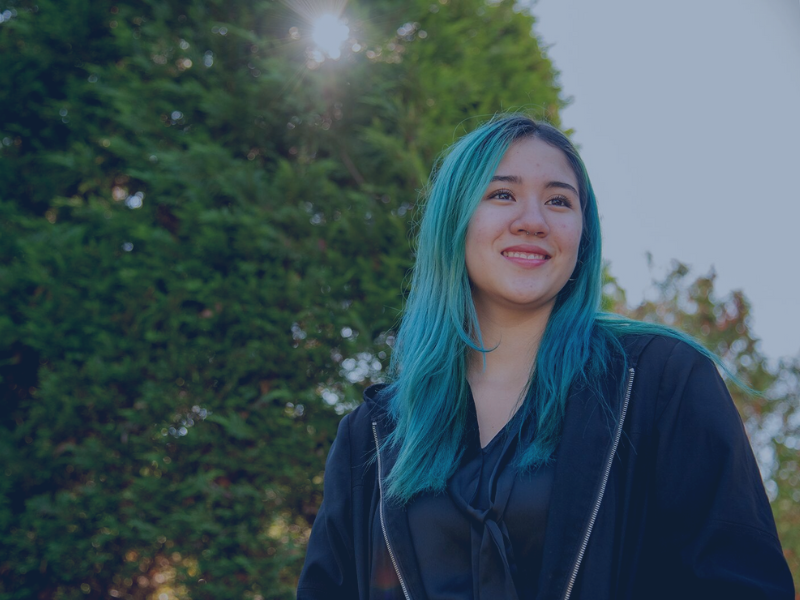
Here comes the sun: Victoria is feeling a ray of hope now that she’s free from hip pain
Hip and back pain were a fact of life for Victoria Berger, just 16. Running and even long walks were tough for the then-high school junior. After six- or seven-hour shifts at her part-time job at a bakery in Carle Place, NY, near her hometown of Albertson, she would often be in pain. “I couldn’t bend down to get things because it would hurt my hip,” she said; she had to ask coworkers to retrieve items from the basement storage area. But she loved her job and didn’t want to quit. She just wanted to not be in pain anymore.
Victoria already knew at that point that she had a moderate case of scoliosis and a tethered spinal cord, a neurological condition that can cause tension in the tissues of the spinal cord and limit movement. She’d already seen Terry Amaral, MD—an orthopedic surgeon and co-chief of the Division of Pediatric Orthopedic Surgery at Northwell—for a knee injury a couple of years before. So she made an appointment to see if her hip pain, which was most severe on her left side, was a result of either of those problems.
Dr. Amaral determined that her scoliosis wasn’t severe enough to cause the pain, or even require treatment. But an X-ray he ordered revealed the source of her discomfort: Victoria had left hip dysplasia, which happens when the socket of the hip doesn’t totally cover the top of the leg bone (femur) that normally fits there. Victoria was happy to have an explanation thinking, “Oh, it’s not just my imagination. It is real.”
As a first step, Dr. Amaral recommended physical therapy (PT), which Victoria did for about eight months, two to three times a week.
It didn’t work; the pain persisted. Further imaging also revealed that the hip dysplasia had gotten worse. Dr. Amaral and Victoria both determined surgery was the best option.
By that time, Victoria had graduated from high school. She enrolled in online classes at a local community college, which would give her time to recover from surgery.
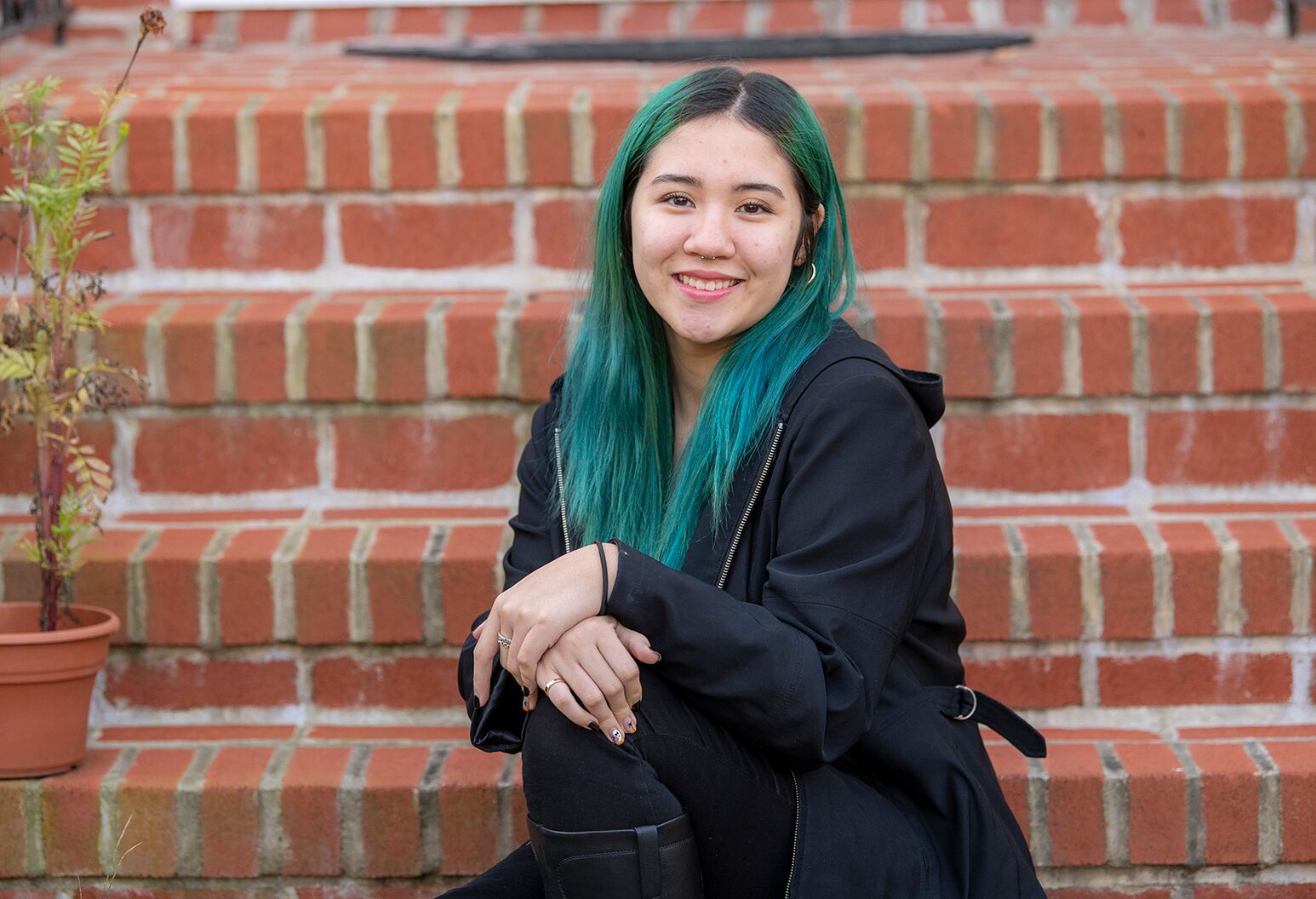
Victoria first underwent a lumbar laminectomy to release her tethered spinal cord. The surgery went well—she was back in action in just two weeks—and it also helped prepare her for the more intensive periacetabular osteotomy, which she’d have on her left hip. That procedure involved readjusting the acetabulum, or hip socket, to allow for better coverage and to improve hip function and pain.
“I was nervous because it’s surgery and anyone would be, but I had Dr. Amaral as my doctor for a while at that point, so I trusted him,” Victoria said, stating that he always listened to her, asked questions and was attuned to detail.
The procedure, which Dr. Amaral performed at Cohen Children’s Medical Center, was a success. Victoria spent eight days in the hospital, where she said she received around-the-clock care and worked with both physical and occupational therapists daily.
Once discharged, she did PT at home before moving to an outpatient location, where she went upward of three times a week for nine months. Victoria started out using a walker, then moved on to crutches, which she was on for over two months, before eventually being able to walk on her own again.
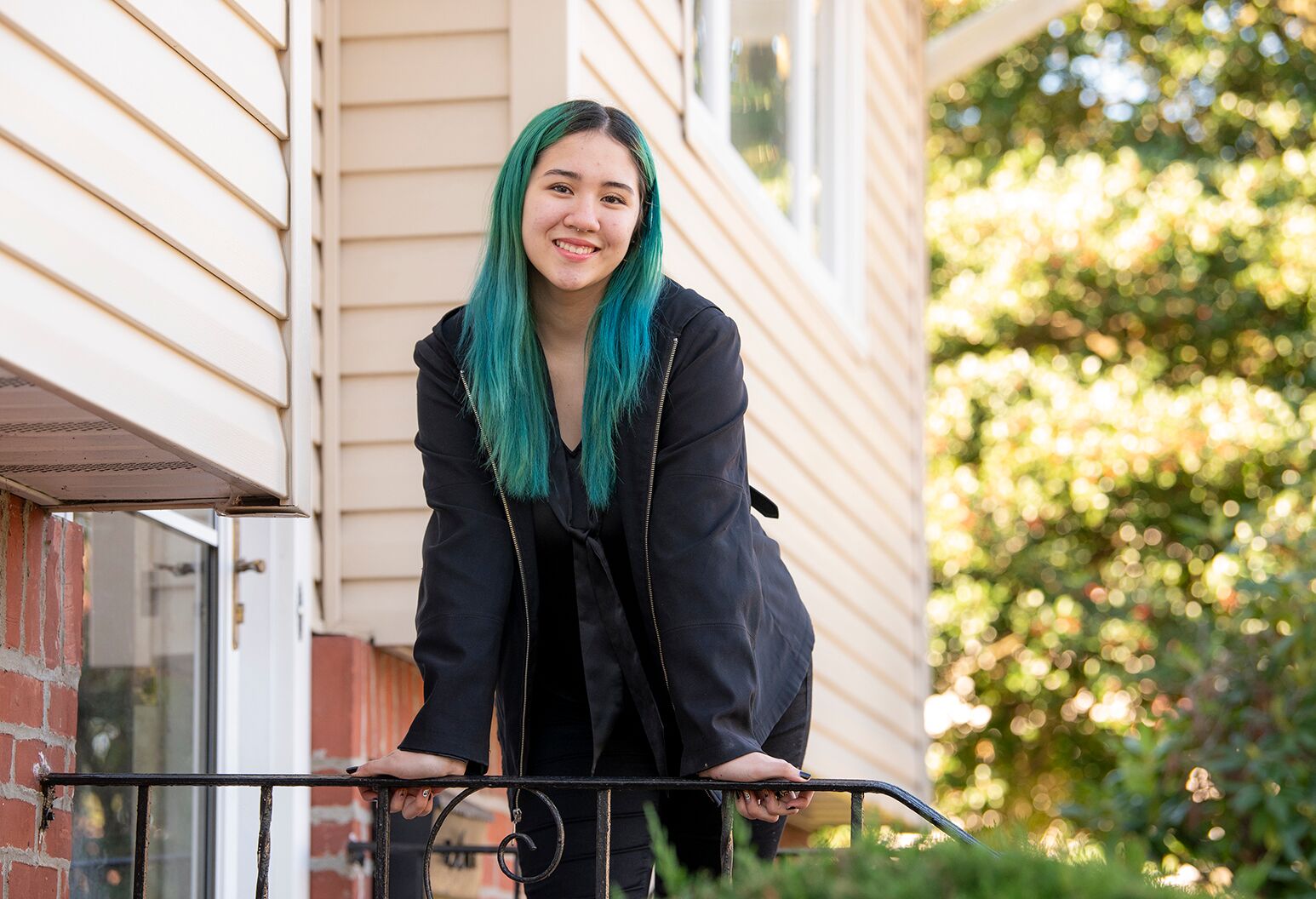
“I was definitely feeling stronger because right after the surgery, I could barely move my left leg,” she said of her time in PT.
These days, the 19-year-old is no longer in PT and is back to doing many of the activities, like walking, which were previously painful. She also returned to her job at the bakery—and doesn’t have to ask for help when lifting and carrying the way she used to. “I can handle doing the stairs all the time. And I stand on my feet, running around for seven hours with no problem,” she said.
The experience has also inspired her career ambitions: “I’m planning to study PT because I’ve done so much of it over my life that I just want to be able to help other people now.”